
Expert Ornamental Grass Planting Services in Northeast Pennsylvania and Nearby New York Communities
Enhance your yard with professionally planted ornamental grasses that add movement, color, and structure to your landscape.
Professional plant selection and placement
Clean and careful planting process
Healthy plants installed properly
Friendly local landscaping team
Why Choose Us
SGJ Landscaping vs Typical Lawn Care Companies
SGJ Landscaping
Thoughtful plant placement for the best visual impact
Healthy ornamental grasses selected for your landscape
Careful planting that supports long-term growth
Clean and organized work areas
Reliable scheduling and communication
Typical Contractors
Random plant placement that looks uneven
Low-quality plants that struggle to grow
Messy work areas
Poor planting techniques
Unreliable scheduling
Our Services
Ornamental Grass Planting Services We Provide
Ornamental grasses are a great way to add natural texture and movement to your yard while keeping landscaping simple and attractive.
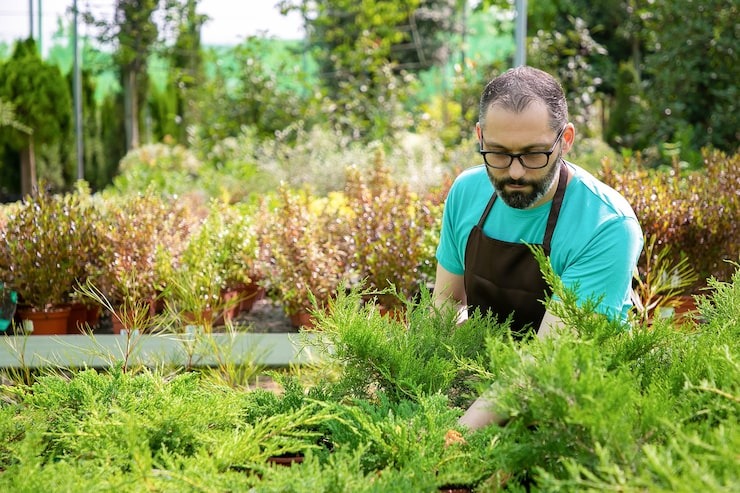
Decorative Ornamental Grass Installation

Landscape Border Planting
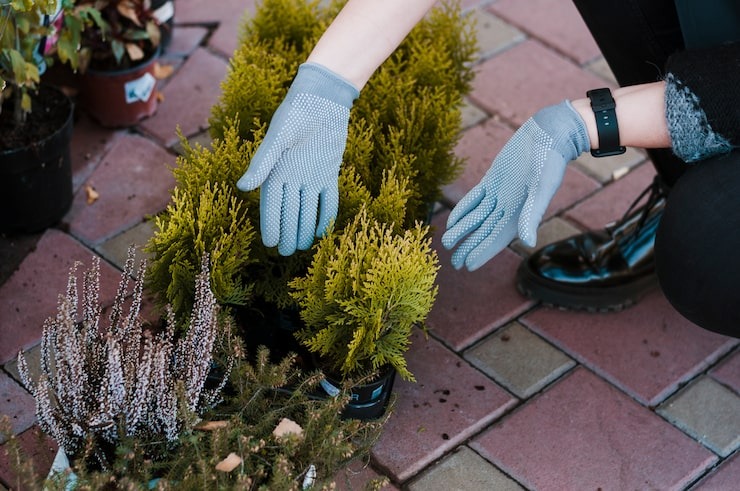
Garden Accent Grass Planting
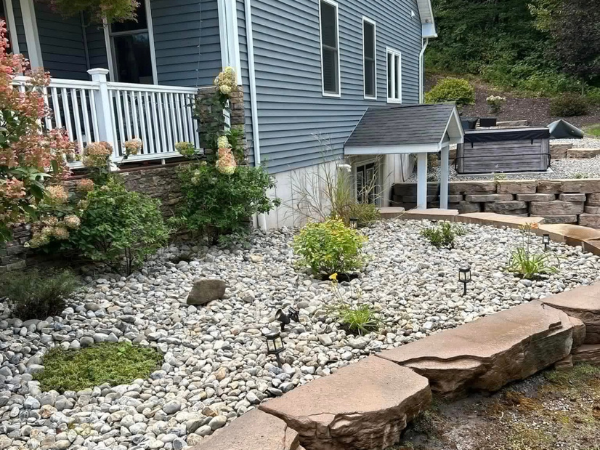
Low Maintenance Landscape Planting

Replacement of Old or Damaged Plants
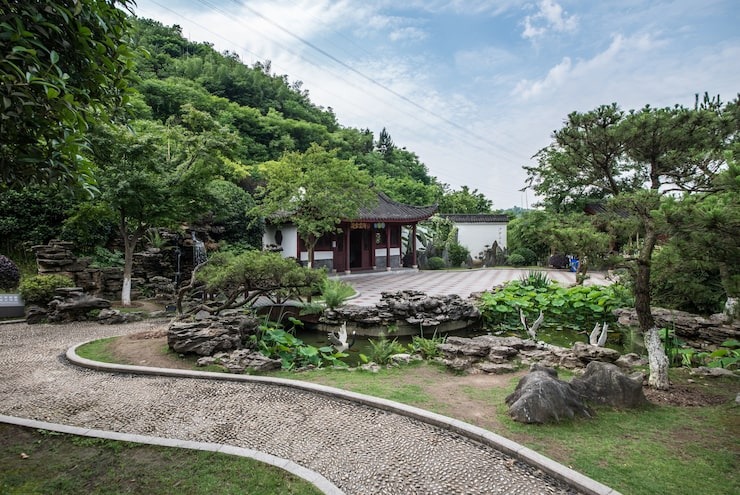
New Landscape Bed Enhancements
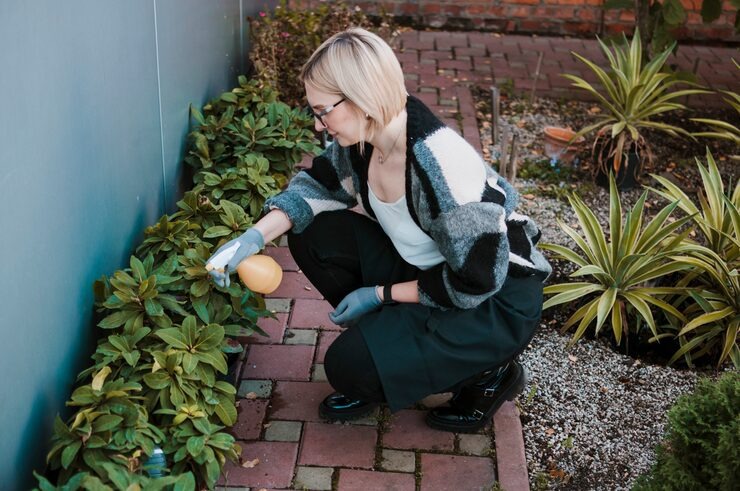
Accent Plant Installation Around Walkways or Patios
What Ornamental Grass Adds to Your Landscape
Ornamental grasses are popular because they combine beauty with low maintenance.
Add texture and visual interest to your yard
Improve the overall design of your landscaping
Fill empty areas in landscape beds
Provide seasonal movement and natural beauty
Complement other plants and hardscape features
They create a balanced and natural look that makes landscaping feel complete.
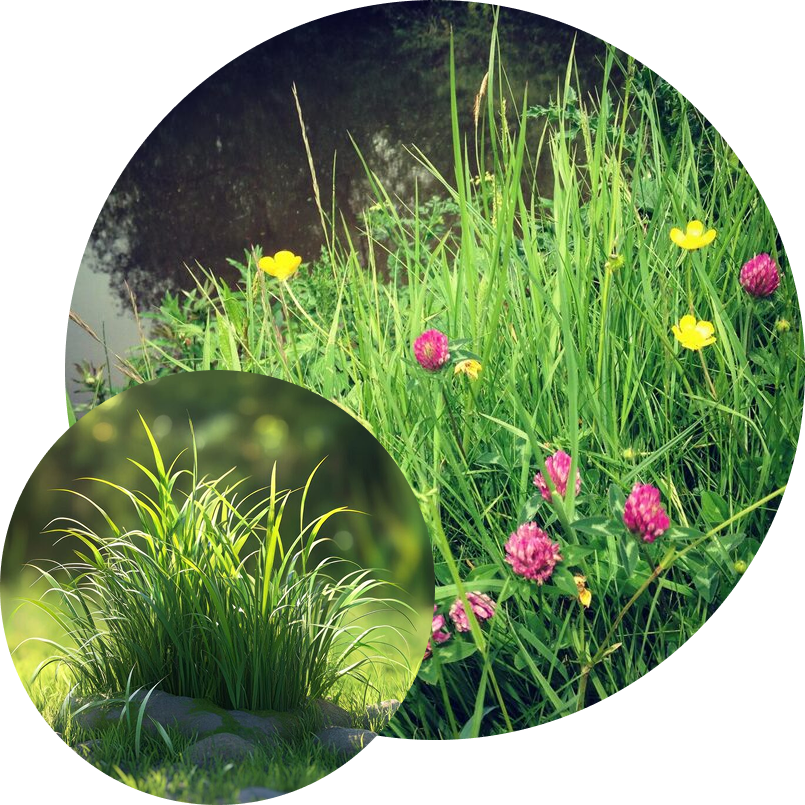
Our Ornamental Grass Planting Process
Our planting process ensures each plant is placed and installed correctly so it can grow healthy and strong.

Landscape Evaluation
We review the planting area and recommend the best ornamental grass options.

Plant Selection
We choose grasses that fit your yard’s layout and landscaping style.

Professional Planting
Plants are installed carefully with proper spacing and soil preparation.

Final Cleanup
The area is cleaned and your landscaping is left looking neat and refreshed.
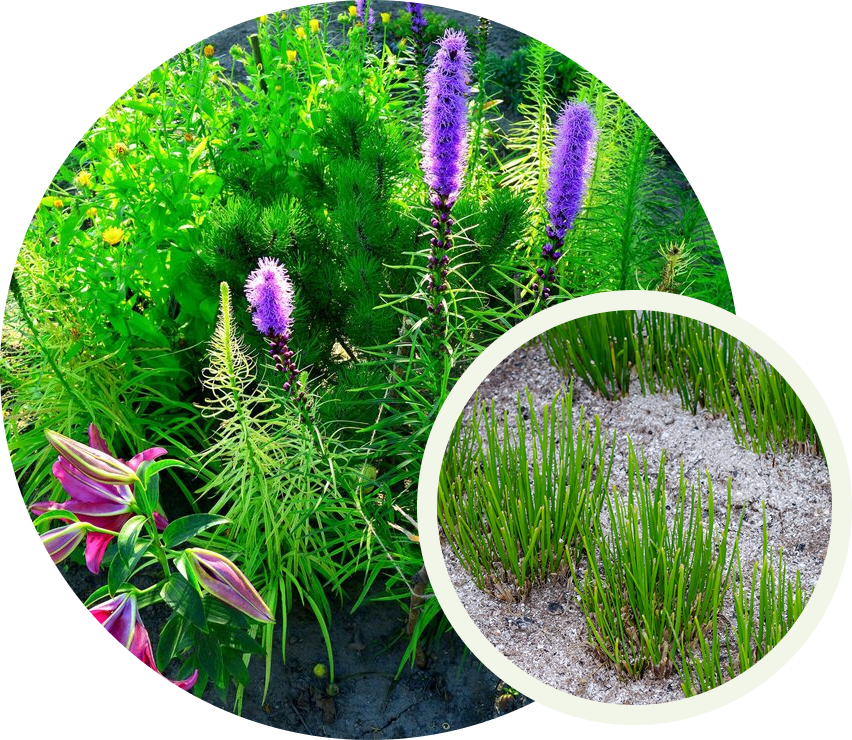
The Cost of Poor Plant Placement
Improperly planted landscaping can create problems for homeowners later.
Overcrowded landscape beds
Plants that struggle to grow properly
Unbalanced landscaping design
Extra maintenance caused by poor spacing
Plants competing for sunlight and nutrients
Professional planting helps your landscaping look better and grow properly.
Landscape Planting Done Right
Successful ornamental grass planting requires attention to detail and proper planning.

Proper plant spacing

Healthy soil preparation

Balanced landscaping design

Clean and professional installation
The result is landscaping that looks natural, balanced, and easy to maintain.
Frequently Asked Questions
What are ornamental grasses and why should I add them to my garden?
Ornamental grasses are grass like plants that are grown mainly for their attractive foliage, texture, and seed heads rather than for a lawn. Many homeowners plant ornamental grasses to improve the look of their garden beds or landscape. These plants can add movement, height, and color to your yard while staying low maintenance. Most ornamental grasses are also drought tolerant and work well with other plants such as shrubs and flowering perennials in a perennial garden.
When is the best time to plant ornamental grasses?
The best time to plant ornamental grasses depends on the type of grass plant. Warm season grasses like muhly grass or blue grama grass usually do best when planted in late spring or early summer so they can develop roots during the growing season. Cool season grasses such as feather reed grass or blue fescue can often be planted in early spring or early fall. Planting before the first frost gives the roots time to grow before winter arrives.
What types of ornamental grasses do you install?
We install several varieties of ornamental grasses depending on your landscape design and the conditions in your yard. Popular options include fountain grass, feather reed grass, blue fescue, japanese forest grass, and northern sea oats. We also work with native grasses and other drought tolerant plants that grow well in the region. Whether you want taller grasses for a focal point or smaller clumps for texture in garden beds, there are many options available.
Do ornamental grasses require a lot of maintenance?
Most ornamental grasses are very low maintenance compared to other plants. They usually require basic care such as watering during the first growing season while the roots develop, adding mulch around the base, and trimming old foliage once a year. Many grasses grow well with minimal fertilizer and can tolerate both full sun and part shade depending on the variety.
How much sun and soil do ornamental grasses need?
Most grasses grow best in full sun and well drained soil. However, some varieties such as hakonechloa macra, also known as japanese forest grass, can grow well in part shade. The planting bed should have healthy soil so the roots can grow properly. During the first growing season, watering helps support root growth and new growth as the plant becomes established.
Do ornamental grasses survive through winter?
Yes, many ornamental grasses provide winter interest even after the growing season ends. The dried foliage and seed heads often remain standing through fall and winter, adding texture to the landscape. In late winter or early spring, the old growth is usually trimmed back so new growth can begin again.
Can ornamental grasses be divided and replanted?
Yes, you can divide ornamental grasses once the clumps become large. Dividing grasses helps control their size and allows you to plant new ornamental grasses in other areas of your garden. This is usually done in early spring or early fall when the plant is not under stress from extreme summer heat or winter cold.
How can ornamental grasses improve my landscape design?
Ornamental grasses are a great way to add texture and movement to a landscape. Taller grasses can create a focal point in the yard, while smaller grasses like blue fescue or sedges work well in garden beds with other perennials and shrubs. They can soften the edges of patios, walkways, or planting areas while providing color and interest throughout the seasons. Many homeowners use ornamental grasses to create a natural and balanced look in their own garden.
Ready to Upgrade Your Landscape?
Ornamental grasses can add natural beauty and texture to your yard with very little maintenance.
Call today to schedule your ornamental grass planting service.
Professional landscaping and hardscaping services in Northeast Pennsylvania and Nearby New York Communities.
Quick Links
Our Services
Contact Info
• Landscape Maintenance • Landscape Installation • Lawn Care • Spring Cleanup • Fall Cleanup • Flower Planting • Plant Installation • Retaining Wall Installation • Paver Patio Installation • Lawn Aeration • Lawn Fertilization • Hedge Trimming • Brush Clearing • Brush Hogging • Tree Planting • Yard Grading
© 2026 SGJ Landscaping. All Rights Reserved.